Iron foundries are industrial facilities where molten iron is poured into molds to create castings ranging from engine blocks to manhole covers. Behind every successful pour lies a complex array of machinery that melts, moves, shapes, and finishes metal. Understanding this equipment reveals why iron casting remains a cornerstone of modern manufacturing.
The process begins with melting. Cupola furnaces, long the workhorse of iron foundries, burn coke and limestone to reduce iron ore and scrap into molten metal. Induction furnaces have largely supplanted cupolas in many modern plants, offering precise temperature control, cleaner operation, and the flexibility to produce various iron grades. Whichever system is used, the melting unit determines the quality and composition of the final product.
Once molten iron is ready, it must be transported safely. Ladles, often suspended from overhead cranes or carried by specialized transfer cars, move the metal from furnace to mold. Pouring equipment—ranging from manual hand ladles to automated pouring systems—controls the flow rate to prevent turbulence and defects. In high-volume operations, automatic pouring machines synchronized with conveyor lines ensure consistent fills and minimal waste.
Molding machinery shapes the cavity into which iron is poured. Green sand molding machines compact sand around patterns to form molds, while shell molding and investment casting equipment serve more specialized applications. Core-making machines produce internal passages, and mold handling systems—including rollover, closing, and clamping units—keep production flowing. For large or complex parts, no-bake molding lines offer strength and dimensional accuracy.
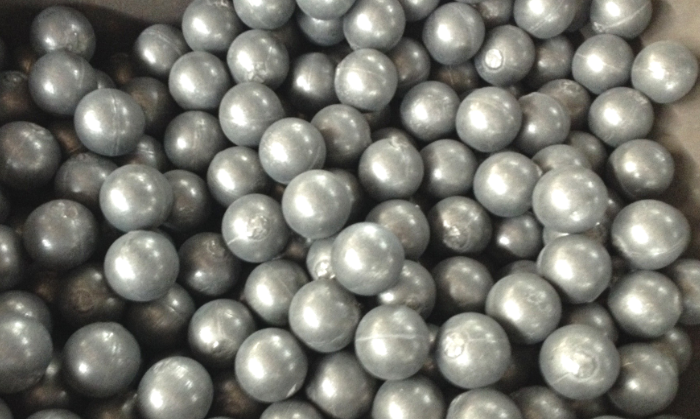
After pouring, castings must cool and be separated from their molds. Shakeout machines vibrate sand free, while shot-blast and tumble-blast equipment clean surfaces. Grinding and finishing stations remove gates, risers, and flash. Finally, inspection equipment—including X-ray, ultrasonic, and coordinate measuring machines—verifies that each casting meets specifications.
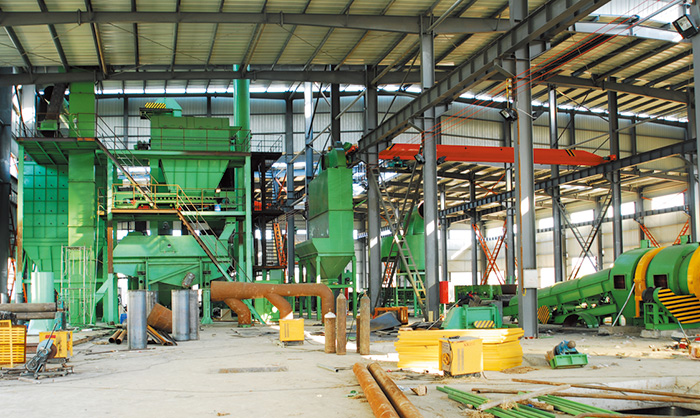
Supporting all this machinery are dust collection systems, sand reclamation units, and cooling towers that address environmental and operational concerns. Modern foundries increasingly integrate automation, sensors, and data analytics to monitor equipment health and optimize energy use.
In short, iron foundry machinery forms an interconnected system in which each component—from furnace to finishing tool—affects quality, safety, and productivity. As demand for durable castings persists, advances in melting, molding, and automation will continue to shape the foundry floor.