Normalizing is a widely used heat treatment process that refines the grain structure of metals, relieves internal stresses, and improves machinability. The process involves heating steel to a temperature above its upper critical point—typically between 800°C and 950°C—holding it there until the structure becomes fully austenitic, and then cooling it in still air. To achieve consistent, repeatable results, specialized equipment is essential.
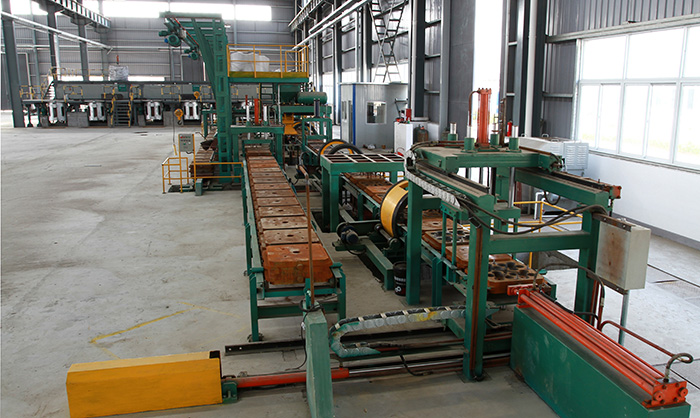
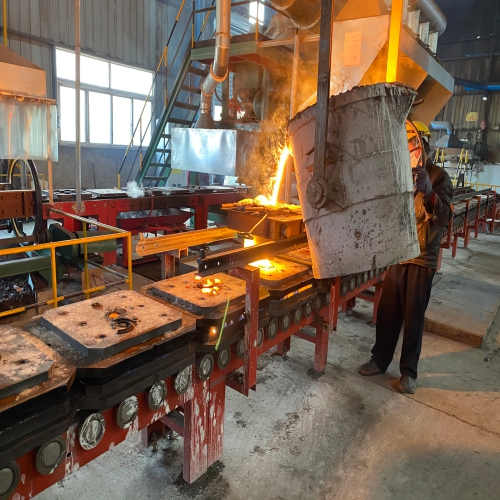
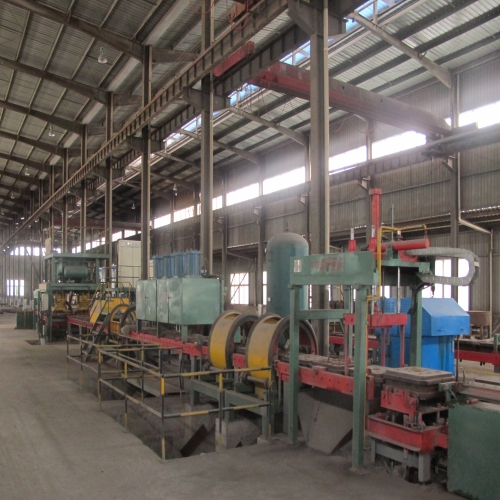
The central piece of normalizing equipment is the heating furnace. Several types are commonly employed. Batch furnaces, such as box or bell furnaces, are suitable for small to medium workloads and offer flexibility for varied part sizes. Continuous furnaces, including mesh-belt, roller-hearth, and pusher-type designs, are preferred for high-volume production because they provide uniform heating cycles and steady throughput. In all cases, the furnace must maintain precise temperature control, usually within ±5°C, and ensure even heat distribution to avoid soft spots or uneven grain growth.
Atmosphere control is another critical feature. Although normalizing relies on air cooling, the heating stage often requires a protective atmosphere—such as nitrogen or a nitrogen-hydrogen mixture—to prevent oxidation and decarburization. Some furnaces are equipped with sealed retorts or gas-tight chambers for this purpose.
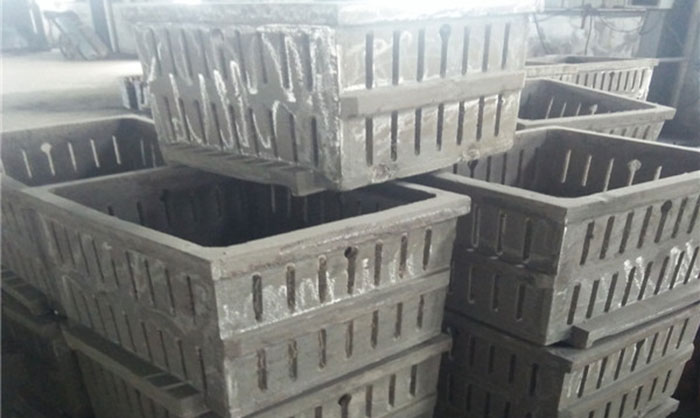
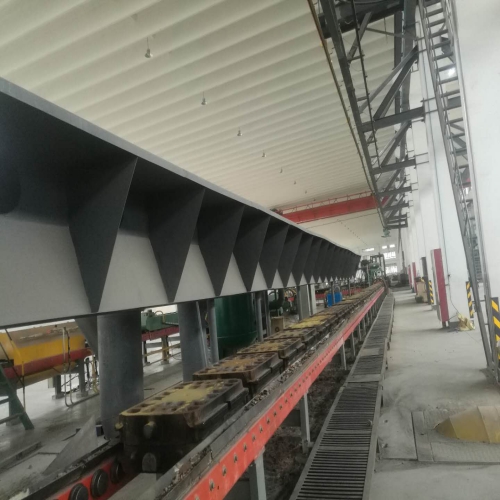
Cooling equipment also plays a vital role. Since normalizing demands still-air cooling, specialized cooling beds, racks, or conveyor systems are used to hold parts in position while they cool uniformly. Forced-air fans may be employed when a slightly faster cooling rate is needed, but the goal remains consistent, controlled cooling rather than quenching.
Supporting instruments include thermocouples, pyrometers, and programmable logic controllers (PLCs) that monitor and adjust temperature profiles. Modern systems often integrate data logging and automated material handling for traceability and efficiency.
In summary, normalizing heat treatment equipment combines controlled heating furnaces, atmosphere regulation, and uniform air-cooling systems. Proper selection and maintenance of this equipment ensure that metals achieve the desired microstructure, mechanical properties, and performance reliability.