In the world of metal casting, efficiency and precision are paramount. One piece of equipment that has revolutionized the industry is the no-bake molding machine. Unlike traditional green sand molding, which relies on moisture and pressure, no-bake molding uses chemical binders that harden at room temperature without the need for baking or heating.
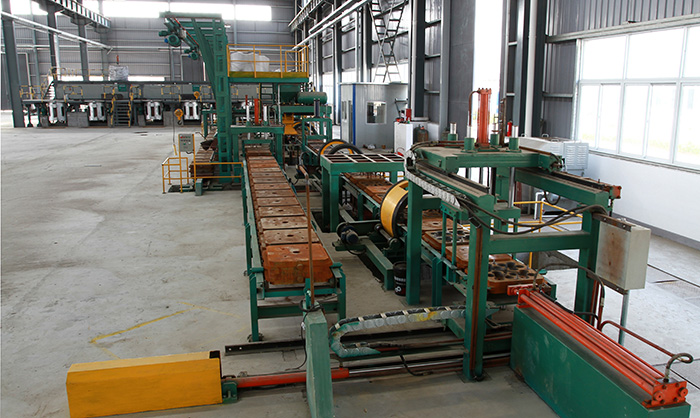
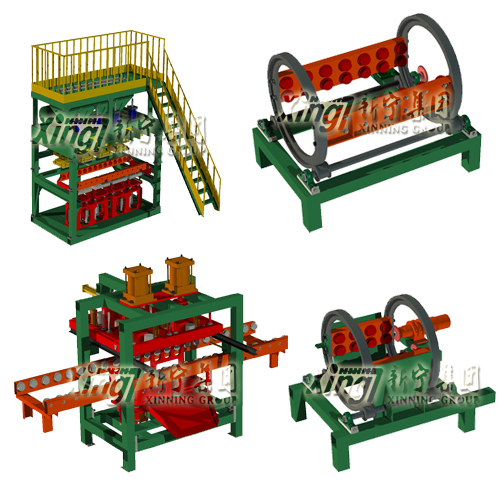
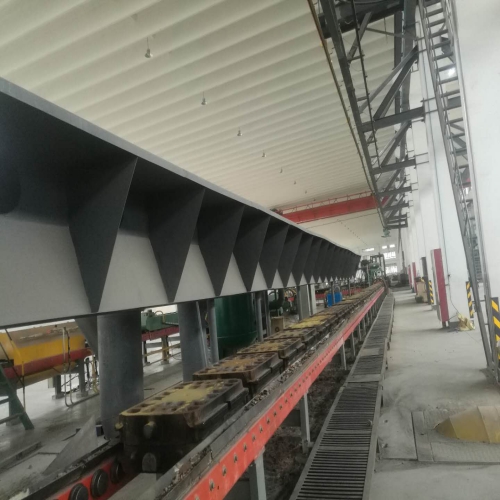
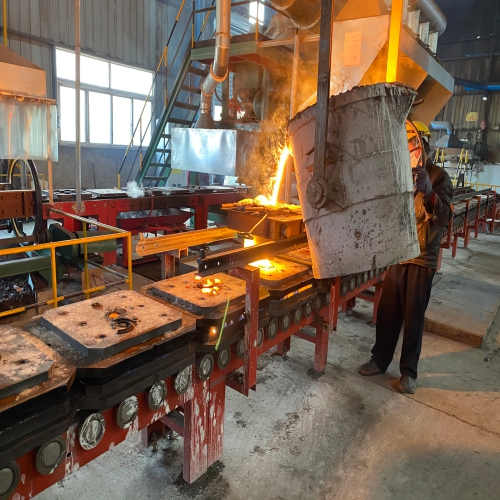
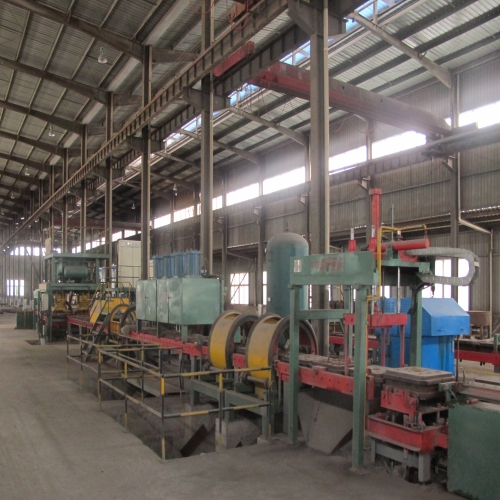
A no-bake molding machine typically consists of a continuous mixer, a mold box, and a compaction system. The process begins by mixing dry sand with a liquid resin and a catalyst. This mixture is then poured or blown into a pattern-filled flask. Once the chemical reaction takes place, the sand hardens into a rigid mold, allowing the pattern to be removed. The result is a highly accurate mold with excellent surface finish and dimensional stability.
The advantages of no-bake molding machines are numerous. First, they eliminate the need for costly ovens and reduce energy consumption. Second, they allow for the production of large, complex castings that would be difficult to achieve with other methods. Third, the sand reclamation rate is high, making the process more environmentally friendly. Industries such as automotive, aerospace, and heavy machinery rely on these machines for producing engine blocks, pump housings, and valve bodies.
However, operating a no-bake molding machine requires careful control. The ratio of resin to catalyst, mixing time, and sand temperature must be precisely monitored. Any deviation can lead to weak molds or casting defects. Therefore, skilled operators and regular maintenance are essential.
In conclusion, the no-bake molding machine is a cornerstone of modern foundry operations. Its ability to deliver high-quality, complex molds with minimal energy input makes it indispensable. As manufacturing demands continue to rise, this technology will undoubtedly evolve, offering even greater precision and sustainability for the casting industry.