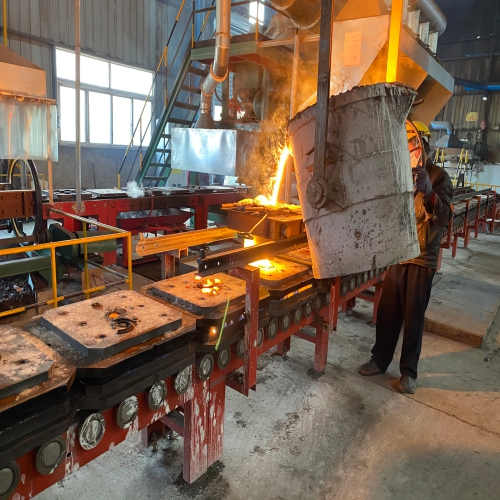
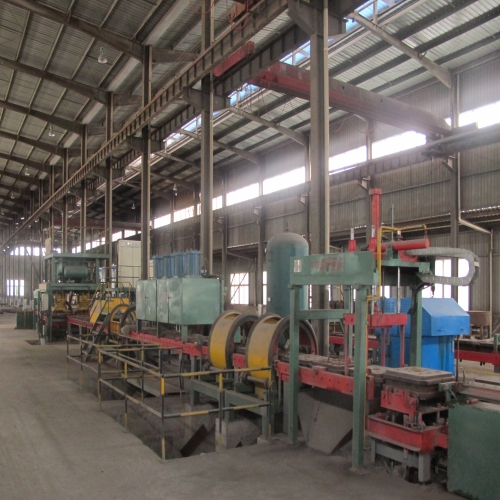
In the foundry industry, the annealing furnace plays a pivotal role in transforming raw castings into high-performance components. Annealing, a precise heat treatment process, involves heating castings to a specific temperature, holding them at that temperature, and then cooling them slowly. This cycle is essential for relieving internal stresses, improving ductility, and refining the grain structure of metals, particularly steel, iron, and non-ferrous alloys.
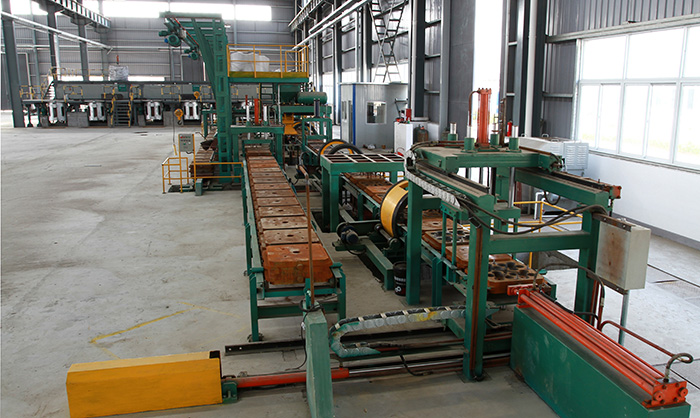
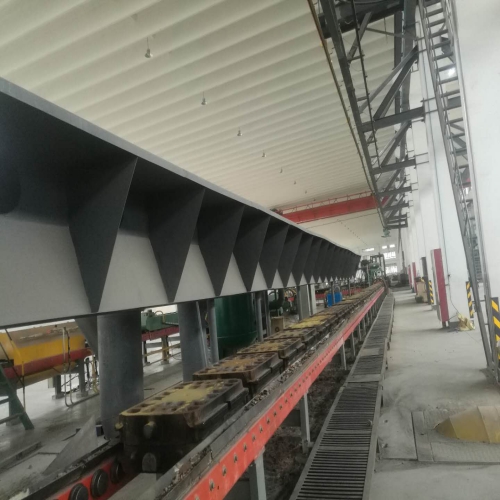
The design of an annealing furnace for castings varies based on production volume, part size, and material requirements. Common types include batch furnaces, such as box or car-bottom furnaces, which are ideal for large or complex castings requiring individualized thermal cycles. For mass production, continuous furnaces—like roller hearth or pusher-type furnaces—offer efficient, automated processing with consistent temperature control. Modern furnaces are equipped with advanced atmosphere control systems to prevent oxidation or decarburization, often using inert gases like nitrogen or argon, or vacuum environments.
The annealing process itself is carefully tailored. For example, full annealing involves heating castings above their critical temperature and slow cooling in the furnace, maximizing softness and machinability. Stress relief annealing, on the other hand, uses lower temperatures to reduce residual stresses from solidification or machining. Spheroidizing annealing is applied to high-carbon steels to create a globular carbide structure, improving formability.
Key benefits of proper annealing are numerous. It eliminates hard spots and brittleness, reduces the risk of cracking during subsequent machining or service, and ensures uniform mechanical properties. For critical applications such as automotive engine blocks, pump housings, or pressure vessels, annealed castings guarantee reliability and safety.
Energy efficiency and environmental considerations now shape furnace innovations. Regenerative burners, high-quality insulation, and waste-heat recovery systems minimize fuel consumption and carbon footprint. Additionally, digital control systems with real-time monitoring enable precise temperature uniformity, typically within ±5°C, ensuring repeatable quality.
In conclusion, the annealing furnace is indispensable in casting production. It not only enhances the physical and mechanical characteristics of cast components but also contributes to sustainable manufacturing. As materials and design demands evolve, the annealing furnace will continue to adapt, driven by automation, data analytics, and greener technologies. Mastering the annealing process remains a cornerstone of foundry excellence.